
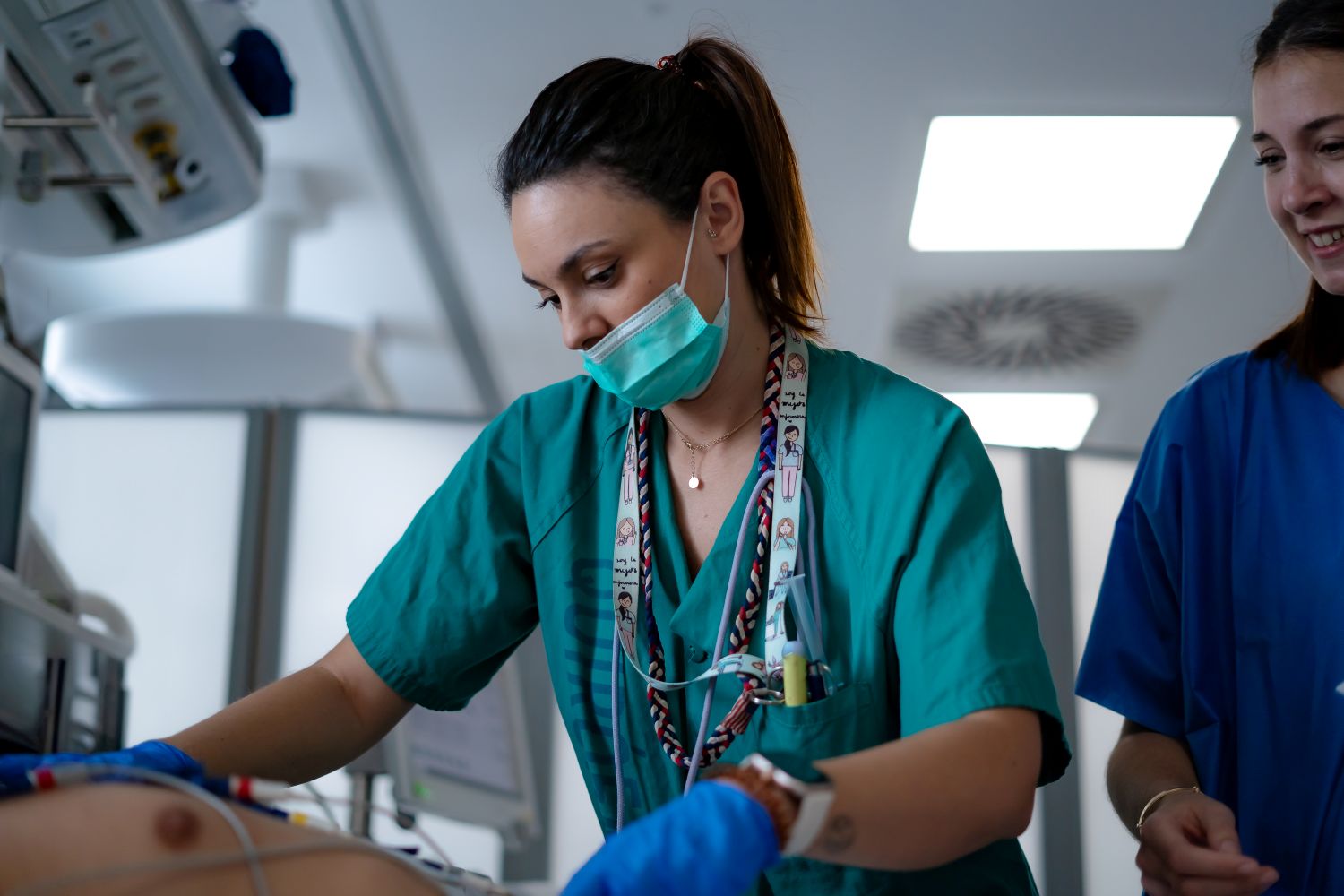
The nursing profession is currently experiencing unprecedented demand, presenting numerous job opportunities for both aspiring and experienced professionals. This overview will examine the current landscape of nursing employment, including an analysis of market trends and guidance for identifying the ideal role that aligns with individual skills and interests. Essential strategies for crafting exemplary resumes and cover letters, navigating the job application process, and excelling in interviews will be provided. Furthermore, this discussion will address salary negotiation techniques and emphasize the significance of continuing education for long-term career advancement. Prepare to take the necessary steps toward securing your desired nursing position.
The Current State of Nursing Jobs
The current state of nursing employment reflects a dynamic and evolving landscape influenced by various factors, including demand, healthcare legislation, and employment trends.
With a heightened emphasis on patient care and an increasing reliance on healthcare technology, opportunities within the nursing profession are expanding.
As healthcare employers actively seek qualified professionals, the job market is experiencing significant growth across multiple nursing specialties, offering applicants a diverse range of positions, including full-time roles and travel nursing opportunities.
It is essential for aspiring nurses to understand this environment as they navigate their career paths.
Demand and Job Growth
The demand for nursing positions has significantly increased in recent years, driven by an aging population and advancements in healthcare technology. This surge has resulted in substantial job growth across various sectors within the healthcare industry.
This trend is not only a response to the rise in chronic illnesses but also reflects the continuous need for personalized patient care. According to the Bureau of Labor Statistics, employment for registered nurses is projected to grow by 9% from 2020 to 2030, which exceeds the average growth rate for all occupations. Recent healthcare legislation has expanded access to services, thereby creating additional roles, such as nurse practitioners and clinical nurse specialists.
The emphasis on acquiring clinical experience, whether through internships or residencies, has become essential, as it equips emerging professionals with the practical skills necessary for success in the field.
These factors collectively enhance job security and provide numerous opportunities for career advancement, particularly in high-demand specialties such as critical care and geriatrics.
Identifying Your Dream Role
Identifying one’s ideal position within the nursing profession necessitates a comprehensive self-assessment of skills, interests, and the various nursing specialties present in the healthcare industry.
This process entails understanding professional development goals and aligning them with the diverse roles available in nursing, ranging from critical care nursing to community health nursing.
By evaluating both clinical experiences and personal branding strategies, individuals can discern the most suitable path for their nursing careers. Effectively identifying the dream role not only enhances job satisfaction but also promotes a sustainable work-life balance.
Assessing Your Skills and Interests
Assessing one’s skills and interests is a critical step in effectively identifying a desired role within the nursing profession. This evaluation enables individuals to align their personal strengths with specific nursing specialties that resonate with their aspirations.
This process encompasses not only the recognition of technical competencies, often referred to as hard skills, required for various roles but also the identification of essential interpersonal attributes, known as soft skills, that facilitate patient interactions and foster team collaboration.
Understanding these dimensions can provide guidance in targeting areas of proficiency and identifying opportunities for professional development. Cultivating a robust personal brand is imperative during the job search process, as it enables healthcare professionals to articulate their unique value propositions to prospective employers.
By reflecting on personal interests and values within the healthcare context, individuals are give the power toed to make informed career decisions that align with their passion and commitment to patient care.
Preparing for the Job Search
Preparing for a job search in the nursing field requires a thorough approach to developing essential job readiness skills.
This includes effective resume writing, mastering interview techniques, and comprehending the application process, all of which are vital for securing a desired position in healthcare.
Resume and Cover Letter Tips
Crafting an exceptional nursing resume and cover letter is essential for successfully navigating job applications and making a favorable impression on healthcare employers.
In an industry where attention to detail and professionalism are of utmost importance, presenting a well-structured resume enables applicants to effectively highlight their qualifications. Key elements such as clear formatting, concise summaries of relevant nursing skills, and a comprehensive list of experience are critical to this process.
When constructing a cover letter, it is imperative to align one’s qualifications with the specific job description. By incorporating keywords and phrases that resonate with hiring managers, candidates can demonstrate their understanding of the role and the healthcare environment, thereby enhancing their appeal as potential hires.
Networking and Building Connections
Networking and establishing professional connections are critical strategies for enhancing one’s job search and identifying opportunities within the nursing profession and healthcare industry.
Engaging in various networking opportunities, such as nursing conferences, job fairs, and joining nursing associations, can significantly improve visibility and facilitate access to new prospects. These events serve as valuable platforms for nurses to interact with peers, experts, and potential employers, while also fostering relationships that may lead to mentorship or collaboration opportunities.
Moreover, creating a polished LinkedIn profile is essential, as it enables individuals to effectively showcase their skills and experiences. Additionally, participating in informational interviews can provide valuable insights into desired career paths, assisting nurses in making informed decisions and expanding their professional networks.
Applying for Nursing Jobs
Applying for nursing positions necessitates a strategic approach to effectively navigate the diverse range of available platforms, including online job boards and nursing agencies.
It is essential to comprehend the intricacies of the application process for temporary, part-time, and full-time nursing roles.
Online Applications and Interviewing
Mastering online applications and interview techniques is essential for securing nursing positions in today’s competitive job market, where employers increasingly utilize digital platforms for recruitment.
To effectively navigate these processes, aspiring nurses must comprehend how to optimize their resumes for Applicant Tracking Systems (ATS). This entails incorporating pertinent keywords from job descriptions to ensure their applications are recognized.
In a field where many candidates possess similar qualifications, it is crucial to stand out. This may involve tailoring one’s resume to emphasize specific skills or accomplishments, as well as understanding best practices for online networking.
When the time arrives for the interview, thorough preparation is vital. Candidates should familiarize themselves with common nursing interview questions and be prepared to discuss their clinical experiences in detail, demonstrating not only what they have accomplished but also how those experiences have equipped them for the roles they are pursuing.
Navigating the Hiring Process
Navigating the hiring process within the nursing profession requires a comprehensive understanding of salary negotiation, the benefits provided by healthcare employers, and the overall job readiness necessary to present a compelling case for employment.
Salary Negotiation and Benefits
Salary negotiation is a crucial component of the hiring process, enabling nursing professionals to advocate for equitable compensation and benefits that accurately reflect their skills and experience within the healthcare sector.
A thorough understanding of the intricacies involved in effective salary negotiation is essential for securing a position that offers not only competitive pay but also aligns with both personal and professional objectives. Candidates should prioritize researching industry standards, as this information equips them to present persuasive arguments regarding their value.
Plus base salary, it is imperative to acknowledge the significance of employment benefits-such as health insurance, retirement plans, and paid time off-since these factors play a vital role in the overall compensation discussion.
Preparation is critical; anticipating various scenarios and practicing negotiation techniques can markedly boost one’s confidence. Furthermore, considering job security in the context of these negotiations adds another layer of significance, as professionals should strive for stability while advancing their career aspirations.
Continuing Education and Career Advancement
Continuing education and career advancement are essential elements of a successful nursing career.
These opportunities enable professionals to enhance their skills, pursue relevant certifications, and adapt effectively to the continuously evolving healthcare landscape.
Opportunities for Growth and Development
Opportunities for growth and development within the nursing profession are plentiful, presenting various avenues for expanding expertise across diverse nursing specialties and enhancing professional development through mentorship and networking.
Nurses have the option to pursue advanced practice roles such as nurse practitioners, clinical nurse specialists, or nurse anesthetists, each offering distinct pathways for specialization and leadership.
By participating in mentorship programs, experienced professionals can provide guidance to newcomers, helping them navigate the complexities of these roles and fostering both confidence and competence.
Engaging in professional networks enables nurses to connect with peers and industry leaders, facilitating the exchange of valuable insights and resources.
This collaborative environment not only opens new areas of interest but also cultivates relationships that can lead to career advancement and innovations in patient care. Embracing these opportunities can have a significant positive impact on career trajectories and overall job satisfaction.